
Prospect Power-Up: GEAR Stage 4 Deep Dive

You know that moment when someone goes from “maybe interested” to “tell me more about your offer”?
That’s the magic transition from Lead to Prospect in your pipeline. And if you’re not tracking this stage properly, you’re leaving serious money on the table.
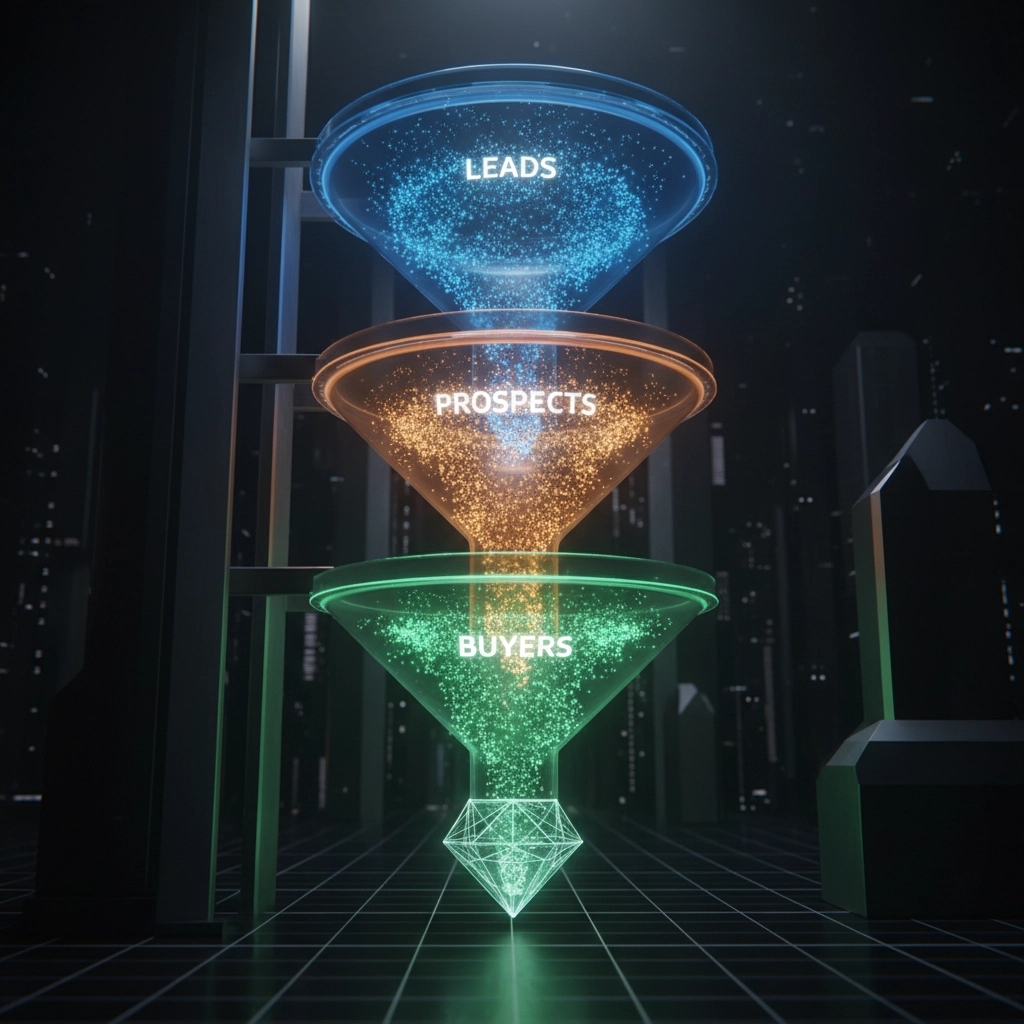
Here’s the deal: A Prospect isn’t just someone who downloaded your lead magnet or signed up for your newsletter. They’re way more qualified than that. A Prospect is someone who has received a pitch - meaning you’ve actively presented them with an offer, proposal, or specific sales conversation - but they haven’t bought yet.
This is where the real money gets made or lost. Let’s break down exactly how to dominate this crucial stage using our GEAR framework.
The Prospect Definition That Changes Everything
Most coaches and consultants mess this up completely. They think anyone who shows interest is a “prospect.” Wrong.
In Miami Marketer’s pipeline, here’s the crystal clear distinction:
Lead: Someone who’s engaged with a sales-driving deliverable (booked a discovery call, requested a price sheet, etc.) but hasn’t been pitched yet.
Prospect: Someone who’s received your actual pitch, proposal, or sales presentation but hasn’t purchased.
See the difference? A Lead has shown buying intent. A Prospect has heard your offer and is actively considering it.
This matters because your follow-up strategy, automation sequences, and conversion tactics should be completely different for each stage. You can’t treat someone who just downloaded your free guide the same as someone who just sat through your $10K coaching program presentation.

G: Generate - Setting Up Your Prospect Pipeline
Your Prospect gameplan starts with understanding exactly what triggers the move from Lead to Prospect status. It’s not automatic - it requires a specific action or event.
Prospect Triggers Include:
- Completed discovery call where you presented pricing
- Received and reviewed your proposal document
- Attended your sales presentation or webinar pitch
- Had a specific sales conversation via phone, Zoom, or in-person
- Received your custom quote or pricing breakdown
The key is that YOU initiated the sales conversation. They didn’t just consume content - you actively pitched them something specific.
In GoHighLevel (our CRM of choice), we tag contacts the moment they receive a pitch. This lets us track conversion rates from Lead to Prospect to Buyer with surgical precision.
Pro Tip: Set up your pipeline stages so they’re mutually exclusive. One contact can only be in one stage at a time. This makes your forecasting and automation bulletproof.
E: Engagement - Moving Leads Into Prospect Status
The transition from Lead to Prospect is where most agencies and coaches fumble the ball. They either pitch too early (killing trust) or wait too long (losing momentum).
Here’s our proven engagement sequence that consistently moves qualified Leads into Prospect status:
The Miami Marketer Lead-to-Prospect Bridge:
- Qualification Call - Not a sales call, but a genuine discovery session where you understand their situation, goals, and challenges
- Value Demonstration - Show them exactly how your solution solves their specific problem
- Custom Presentation - Present your tailored offer, pricing, and next steps
- The Ask - Clearly request the sale or next commitment
Most people skip step 2 entirely. They go straight from “tell me about your problem” to “here’s my $5K package.”
That’s amateur hour.
Your Prospects need to see the bridge between their problem and your solution. Paint the picture of their transformation. Show them the exact path from where they are to where they want to be.
Engagement Benchmarks to Track:
- Percentage of Leads who book qualification calls
- Show-up rate for discovery sessions
- Lead-to-Prospect conversion rate
- Average time from Lead to Prospect status
If your Lead-to-Prospect conversion is below 30%, you’re either attracting the wrong Leads or your qualification process needs work.
A: Acquisition - Delivering Killer Pitches That Convert
Once someone hits Prospect status, your acquisition game needs to be flawless. This isn’t the time for generic presentations or one-size-fits-all proposals.
The Miami Marketer Prospect Acquisition Framework:
Phase 1: The Setup Your pitch should feel like the natural conclusion to their problem-solving journey. Reference specific details from your discovery conversation. Make it personal.
Phase 2: The Solution Stack Present your offer in layers:
- Core solution (what they get)
- Implementation process (how it works)
- Timeline and milestones (when they see results)
- Investment and payment options (what it costs)
Phase 3: The Close Always end with a clear next step. Not “think about it” - but a specific action they can take right now.
Documents That Convert Prospects:
- Custom proposal PDFs with their specific situation addressed
- ROI calculators showing their potential return
- Case study presentations featuring similar clients
- Implementation timeline documents
- Investment breakdowns with payment options
The secret sauce? Every piece of collateral should reference their unique situation. No generic templates.

Acquisition Success Metrics:
- Proposal open rates (are they reading it?)
- Time spent reviewing materials
- Questions asked during follow-up
- Objections raised (these are buying signals!)
R: Retention - Keeping Prospects Hot Until They Buy
Here’s where most people lose deals. They pitch, then disappear. Or worse - they become pushy salespeople who won’t take no for an answer.
Smart Prospect retention is about staying valuable while gently nudging toward a decision.
The Miami Marketer Prospect Nurture Sequence:
Day 1-3: The Follow-Up Immediate follow-up addressing any questions from your pitch. Include additional resources that reinforce your solution’s value.
Day 4-7: Social Proof Injection Send case studies, testimonials, or results from similar clients. Let other people sell for you.
Day 8-14: Objection Handling Address common concerns proactively. Create content that handles objections before they’re raised.
Day 15-21: Urgency Creation Limited-time bonuses, pricing deadlines, or capacity restrictions. But make it real - fake scarcity kills trust.
Ongoing: Value-First Content Continue providing valuable insights related to their goals. Show up as the expert they want to work with.
Advanced Retention Tactics:
- The Competitor Comparison - Show them what happens if they choose inferior alternatives
- The Cost of Inaction - Calculate what it costs them to delay their decision
- The Exclusive Bonus - Add value that’s only available during their decision window
- The Reference Call - Connect them with existing clients who had similar challenges

Prospect Readiness Signals You Can’t Ignore
Not all Prospects are created equal. Here are the signals that indicate a Prospect is ready to become a Buyer:
Green Light Signals:
- Asks about implementation timelines
- Inquires about payment options or terms
- Introduces you to decision-makers or team members
- Requests references from existing clients
- Asks “what happens next?” type questions
Yellow Light Signals:
- Asks for more information (but doesn’t specify what)
- Mentions needing to “think about it”
- Requests to see additional options or packages
- Brings up budget concerns (often a negotiation opener)
Red Light Signals:
- Goes radio silent after receiving your proposal
- Keeps pushing meetings into the future
- Starts comparison shopping publicly
- Asks for discounts without justification
The key is knowing how to respond to each signal appropriately.
The Performance Partnership Advantage
Here’s what separates Miami Marketer from typical agencies: We treat every Prospect like a potential performance partner.
Instead of just selling them a service, we’re positioning ourselves as their growth partner. This changes everything about how we pitch and nurture Prospects.
Performance Partnership Pitch Elements:
- Revenue projections based on our systems
- Risk reversal through performance guarantees
- Long-term partnership vision (not just project completion)
- Skin-in-the-game investment from both parties
When Prospects see you as a partner rather than a vendor, price objections disappear. They start asking “how fast can we start?” instead of “how much does it cost?”

Your Prospect Action Plan
Ready to optimize your Prospect stage? Here’s your immediate action plan:
- Audit Your Current Pipeline - How many Leads vs Prospects do you actually have?
- Define Your Pitch Triggers - What specific actions move someone from Lead to Prospect?
- Create Custom Proposal Templates - Stop using generic presentations
- Build Your Nurture Sequence - Map out your 21-day Prospect follow-up plan
- Track Your Metrics - Measure Prospect-to-Buyer conversion rates weekly
The businesses that dominate their markets don’t leave Prospect conversion to chance. They systematize every touchpoint, track every interaction, and optimize continuously.
Your Prospects are the closest thing to revenue you have without actually having revenue. Treat them like the goldmine they are.
Want to see how we implement these Prospect strategies for our performance partners? Book the revenue audit and we’ll show you exactly how to optimize your Prospect pipeline for maximum conversions.
Stop losing deals in the Prospect stage. Start converting them like the pro you are.